Low-sodium · NDIS meal delivery
Low-Sodium NDIS Meals: Heart-Healthy Delivery Options
Low-sodium NDIS meals are meals with reduced salt, usually targeted at people managing blood pressure, heart failure or kidney disease. Australia has no regulated "low-sodium" meal label, so the only reliable comparison is sodium milligrams per serve on the nutrition information panel — and not every provider publishes it.

Low-sodium NDIS meals at a glance
- Low-sodium meals in our catalogue
- 56
- Providers with matching meals
- 1 of 11
- Meal price range
- $8.95–$14.95
- Copayment range
- 30%
What counts as a low-sodium meal?
Definition — Low-sodium meal
How we counted, and where the data is thin
No provider in our data publishes an explicit low-sodium flag, so we do not invent one. We instead count meals whose published nutrition panel lists 400 mg of sodium or less per serve — a widely used practical ceiling for a main meal on a sodium-restricted diet. Crucially, this test can only be applied where a provider publishes sodium data at all, and most do not, so the counts below understate real availability rather than overstating it.
In practice, 58 of 517 meals in our catalogue publish a sodium figure we could test — about 11%. The counts on this page therefore understate real availability rather than overstate it, and a provider absent from the table below may still suit you.
Which NDIS providers offer low-sodium meals?
Ordered by how many matching meals we hold. The share-of-menu column matters more than the raw count if you plan to order from one provider every week — a provider where most of the menu suits you gives you a real rotation, not three meals on repeat.
| Provider | Low-sodium meals listed | Share of their menu | Price range | Copayment | Fresh or frozen | How you order |
|---|---|---|---|---|---|---|
| FooberOffers dietitian support | 56 | 75% of 75 | $8.95 – $14.95 | 30% | Fresh (chilled) | Order on Care Meals |
Providers that offers dietitian support but have no matching meals in our catalogue
Able Foods, Be Fit Food, Dineamic, Lite n' Easy, Nourish'd, Tender Loving Cuisine record this capability at the provider level, but we have not catalogued matching individual meals for them yet. Worth contacting directly.
Real low-sodium meals and what they cost
Actual meals currently listed on Care Meals, cheapest first and spread across providers. “Meal price” is the full price; your copayment is the share of it your provider's rules set, which is why the two columns differ.
| Meal | Provider | Meal price | Your copayment | Sodium per serve | Energy / protein |
|---|---|---|---|---|---|
| Coconut Chia Porridge With Superfood Granola Compote | Foober | $8.95 | $2.68 | 0.04 mg | 305 cal / 6.52 g protein |
| High Protein Blueberry Cheesecake | Foober | $9.95 | $2.99 | 0.34 mg | 343 cal / 14.42 g protein |
| Big Brekky Frittata | Foober | $9.95 | $2.99 | 0.85 mg | 307 cal / 27.2 g protein |
| Tangy Chicken Dijon with Cauliflower Rice | Foober | $9.95 | $2.99 | 1.09 mg | 402 cal / 28.37 g protein |
What should I check before ordering low-sodium meals?
- Compare sodium per serve, not per 100 g. A meal at 350 mg per 100 g in a 400 g pack delivers 1,400 mg — more than half a typical daily target in one sitting.
- The Australian suggested dietary target for sodium is 2,000 mg a day for adults, and clinical targets for heart failure or kidney disease are often lower. Three delivered meals at 400 mg each leaves genuine room; three at 900 mg each does not.
- Absence of published sodium data is not evidence of low sodium. If a provider does not publish the figure, ask for it in writing before building a sodium-restricted rotation around them.
- Frozen ready meals frequently use salt for preservation and palatability, so fresh ranges sometimes come in lower — but verify rather than assume.
- Renal diets restrict potassium and phosphate as well as sodium. A low-sodium meal is not automatically a renal-appropriate meal, and that combination usually needs a renal dietitian's input.
Funding does not change with the diet
Low-sodium meals you can order
Foober first — you can order from them without leaving Care Meals — then matching dishes from other providers. Always confirm suitability on the meal's own nutrition and allergen panel.
Blueberry Protein Pancakes with Coconut Cream
Foober · $2.99 you pay
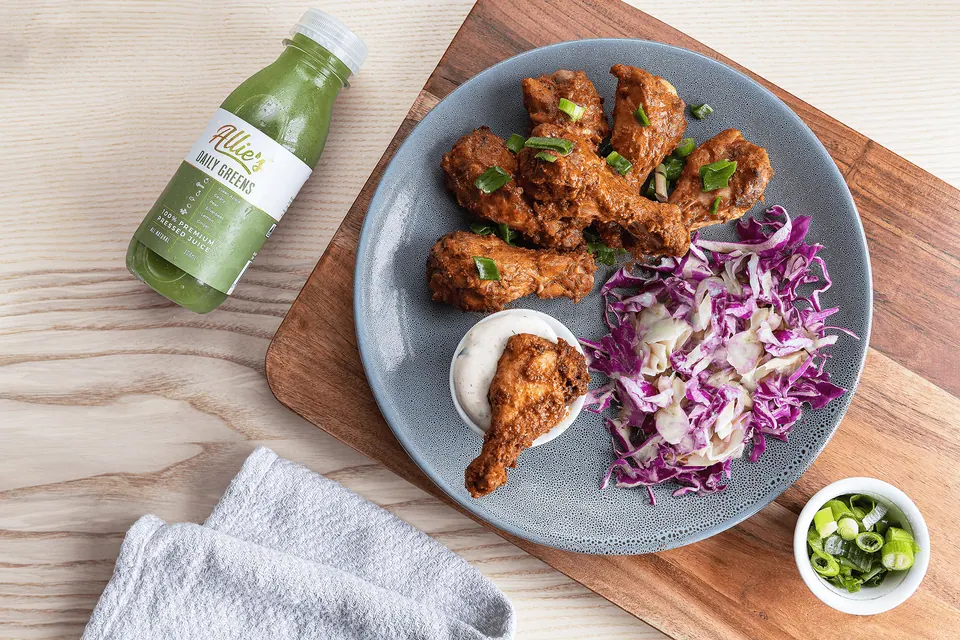
Buffalo Chicken Wings with Summer Slaw and Ranch Dipping Sauce
Foober · $3.58 you pay
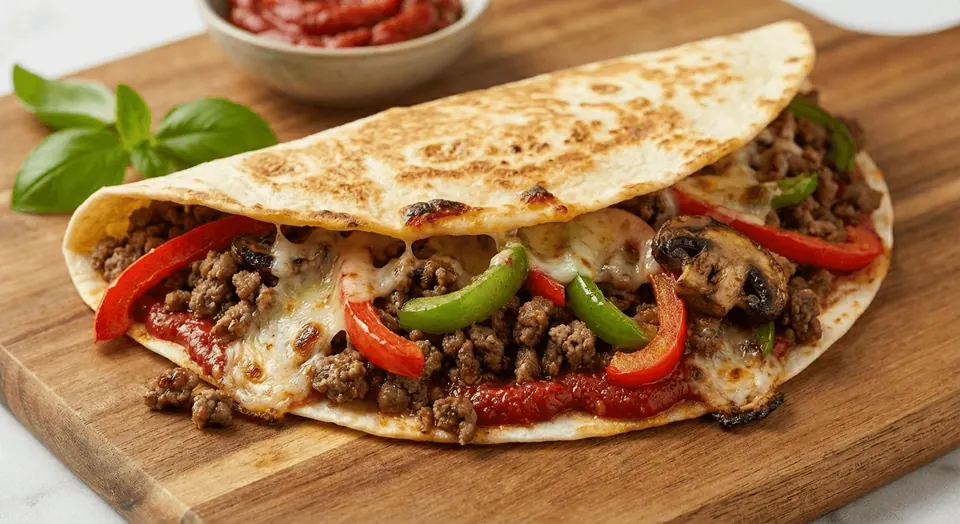
Keto PizzaDilla
Foober · $3.89 you pay
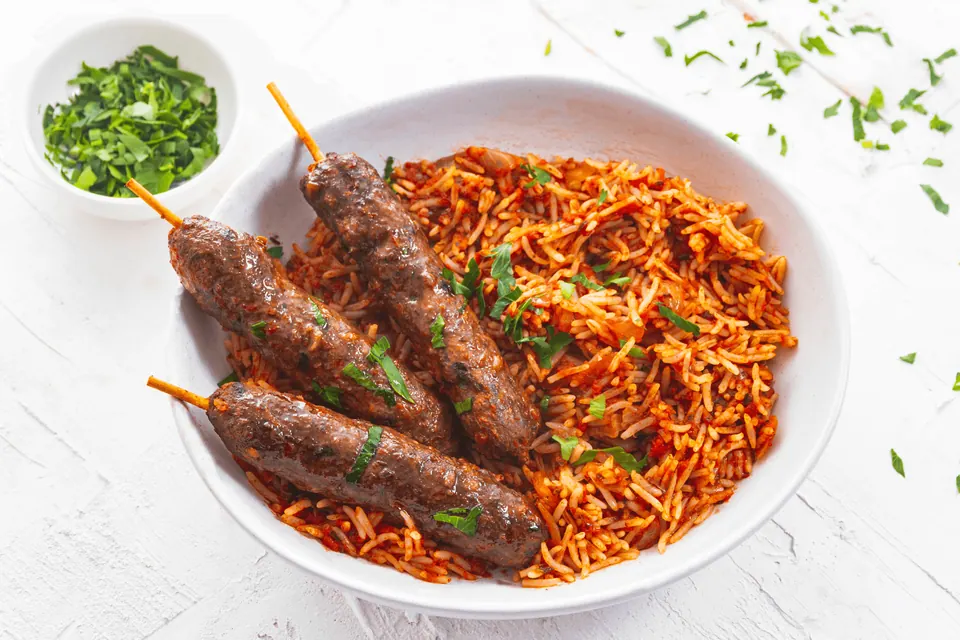
LARGE - Beef Kafta with Rice
Foober · $4.18 you pay
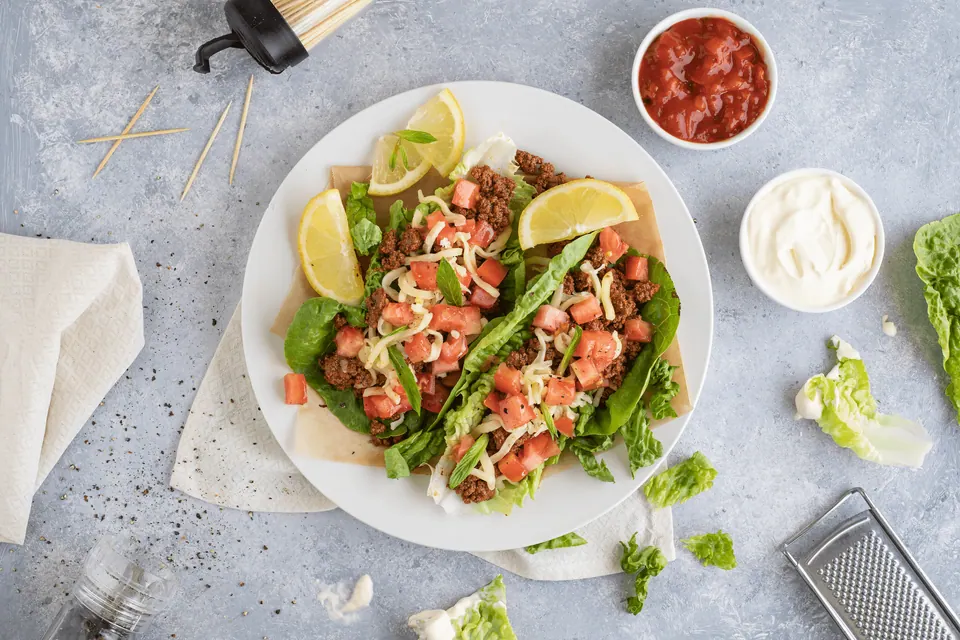
Lettuce Cup Tacos
Foober · $3.58 you pay
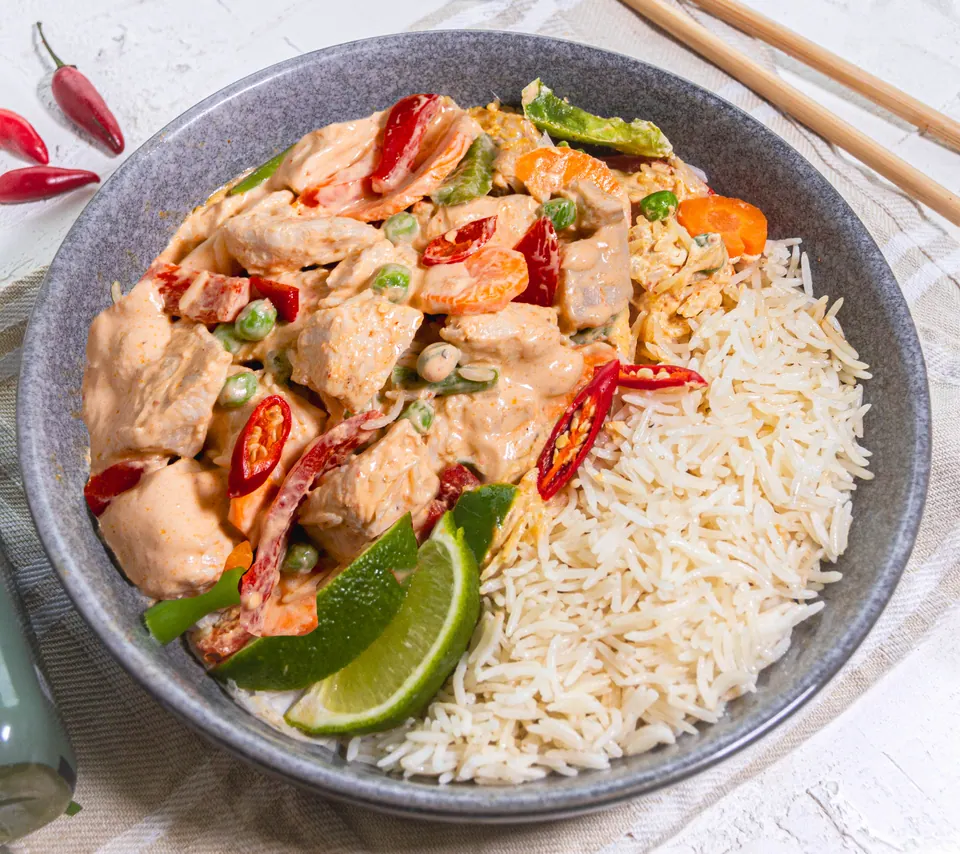
PUMPED - Thai Red Chicken Vegetable Curry
Foober · $4.18 you pay
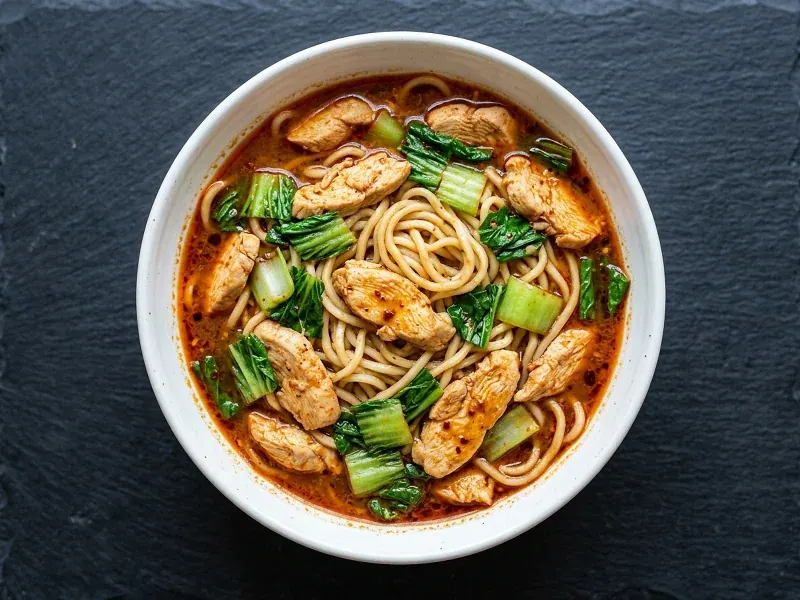
PUMPED Sichuan Chicken Ramen
Foober · $3.89 you pay
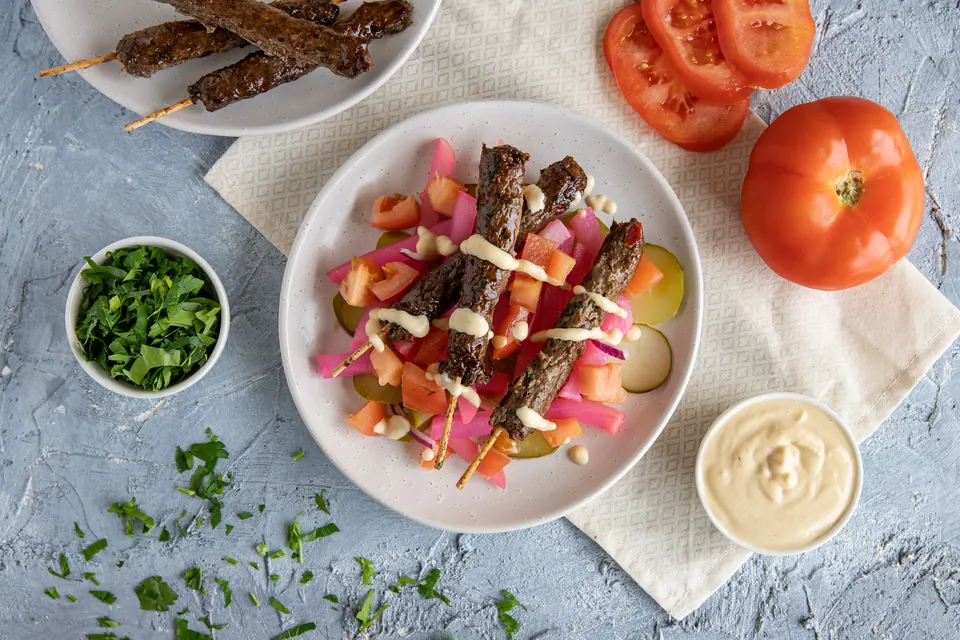
Spiced Beef Kafta Skewers
Foober · $3.28 you pay
Low-sodium NDIS meals: frequently asked questions
Are low-sodium meals available through NDIS providers?
How much sodium should be in a low-sodium main meal?
Does the NDIS pay for special dietary meals?
Is a low-sodium meal suitable for a renal diet?
This page is general information, not clinical advice. Dietary decisions — particularly texture modification, diabetes management and sodium restriction — should be made with your treating team or an Accredited Practising Dietitian.
How Care Meals makes money, and what we are not
Care Meals is free for participants, carers and support coordinators. There is no subscription, no booking fee and no markup on meals — you pay the provider exactly what you would pay going direct. We earn a referral commission from providers when we send them a new customer, which is how the platform is funded.
That commission does not buy position. Every comparison on this page is generated from the same provider database that powers our provider directory, using the ranking rules we publish on the page. Foober is our launch partner and the only provider you can order from without leaving Care Meals; it is listed on the same criteria as everyone else and labelled so you can tell the difference.
Care Meals is not affiliated with, endorsed by or operated by the National Disability Insurance Agency (NDIA) or the NDIS. We are an independent comparison service. Nothing here is financial, medical or clinical advice — funding decisions rest with the NDIA and your plan, and dietary decisions should involve your treating team. Provider details change; always confirm price, coverage and dietary suitability with the provider before you order.